Preventing Glaucoma and Diabetes: Eye Health Essentials
- Roxanna Gangi
- Nov 6, 2025
- 3 min read

Eye health plays a crucial role in overall well-being, yet many people overlook the connection between common chronic conditions like glaucoma and diabetes and their impact on vision. Both glaucoma and diabetes can lead to serious eye complications, including vision loss, if not managed properly. Understanding how to prevent these conditions and protect your eyes can make a significant difference in maintaining clear sight throughout life.
This article explores practical steps to prevent glaucoma and diabetes-related eye problems, highlighting lifestyle changes, early detection, and effective management strategies.

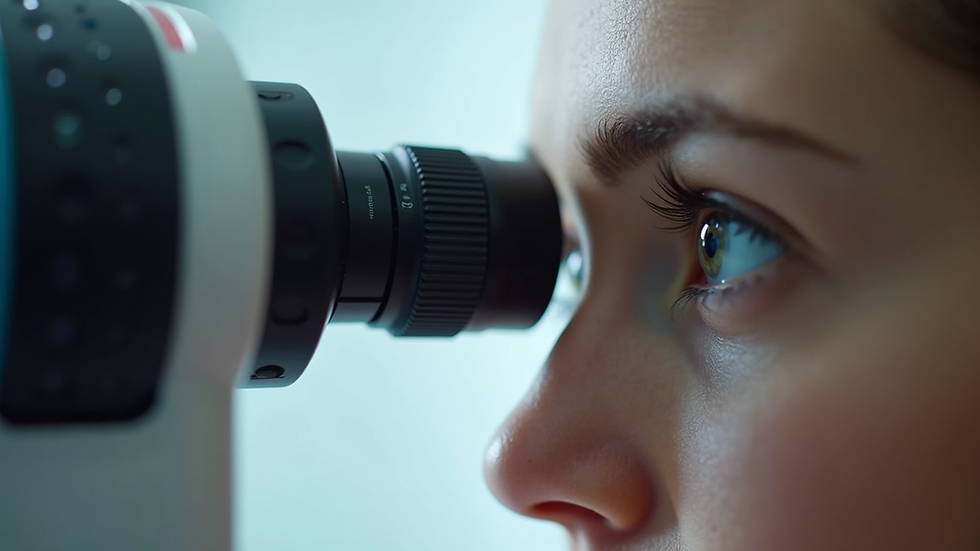
Close-up view of an eye examination with a tonometer measuring eye pressure
Understanding Glaucoma and Diabetes Impact on Eyes
Glaucoma is a group of eye diseases that damage the optic nerve, often due to increased pressure inside the eye. It can develop slowly without noticeable symptoms until significant vision loss occurs. Diabetes, on the other hand, can cause diabetic retinopathy, a condition where high blood sugar levels damage the blood vessels in the retina.
Both conditions share a common risk: they can silently progress and cause irreversible vision loss. According to the World Health Organization, glaucoma is the second leading cause of blindness worldwide, and diabetic retinopathy is a leading cause of vision impairment among working-age adults.
Key Risk Factors to Watch For
Recognizing risk factors helps in early prevention and timely intervention. Here are some important ones:
Age: People over 40 have a higher risk of glaucoma and diabetes complications.
Family history: A family history of glaucoma or diabetes increases your chances.
High blood pressure: This can worsen both glaucoma and diabetic eye disease.
Ethnicity: African Americans, Hispanics, and Asians have higher glaucoma risks.
Poor blood sugar control: For people with diabetes, uncontrolled blood sugar accelerates eye damage.
Eye injuries or surgeries: These can increase glaucoma risk.
Lifestyle Changes to Protect Your Eyes
Adopting healthy habits can reduce the risk of developing glaucoma and diabetes-related eye problems. Here are practical steps:
Maintain a Balanced Diet
Eating nutrient-rich foods supports eye health and helps control blood sugar levels:
Include leafy greens like spinach and kale, rich in antioxidants.
Eat fruits high in vitamin C and E.
Choose whole grains and lean proteins.
Limit sugar and processed foods to prevent blood sugar spikes.
Exercise Regularly
Physical activity improves blood circulation and helps maintain healthy eye pressure and blood sugar:
Aim for at least 150 minutes of moderate exercise weekly.
Activities like walking, swimming, or cycling are effective.
Exercise also supports weight management, reducing diabetes risk.
Manage Blood Sugar and Blood Pressure
Keeping these under control lowers the chance of eye damage:
Monitor blood sugar levels regularly if diabetic.
Follow prescribed medications and lifestyle advice.
Regularly check blood pressure and keep it within recommended limits.
Avoid Smoking and Limit Alcohol
Smoking damages blood vessels and increases glaucoma risk. Alcohol can affect blood sugar control. Quitting smoking and moderating alcohol intake benefit overall eye health.
Importance of Regular Eye Exams
Early detection is vital because glaucoma and diabetic eye disease often show no early symptoms. Eye exams can reveal changes before vision loss occurs.
People over 40 should have a comprehensive eye exam every 1-2 years.
Diabetics need annual retinal exams to monitor for diabetic retinopathy.
Eye pressure tests help detect glaucoma early.
Exams include checking optic nerve health and retinal blood vessels.
Treatment Options and Monitoring
If diagnosed with glaucoma or diabetic eye disease, following treatment plans is essential to prevent progression:
Glaucoma treatments include eye drops to reduce eye pressure, laser therapy, or surgery.
Diabetic retinopathy treatments may involve laser therapy, injections, or surgery depending on severity.
Regular follow-ups with an eye specialist ensure treatment effectiveness.
Practical Tips for Daily Eye Care
In addition to medical care, simple daily habits support eye health:
Wear sunglasses with UV protection outdoors.
Use protective eyewear when working with tools or chemicals.
Take breaks during screen time to reduce eye strain.
Keep eyes hydrated with artificial tears if needed.
Supporting Eye Health Through Technology
Modern technology offers tools to help manage eye health:
Apps to remind you of medication and eye exam appointments.
Devices to monitor blood sugar and blood pressure at home.
Telemedicine consultations for easier access to eye care professionals.
When to Seek Immediate Medical Attention
Certain symptoms require prompt evaluation:
Sudden vision loss or blurred vision.
Eye pain or redness.
Seeing halos around lights.
Flashes of light or floaters in vision.
Early treatment can save vision in emergencies.
Eye health is a vital part of living well, especially for those at risk of glaucoma and diabetes. By adopting healthy habits, staying informed, and getting regular eye exams, you can protect your vision and enjoy life’s moments clearly.
Take the first step today: schedule an eye exam and talk to your healthcare provider about managing your risk factors. Your eyes deserve attention and care every day.


Comments